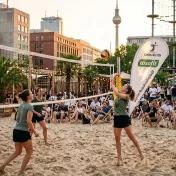
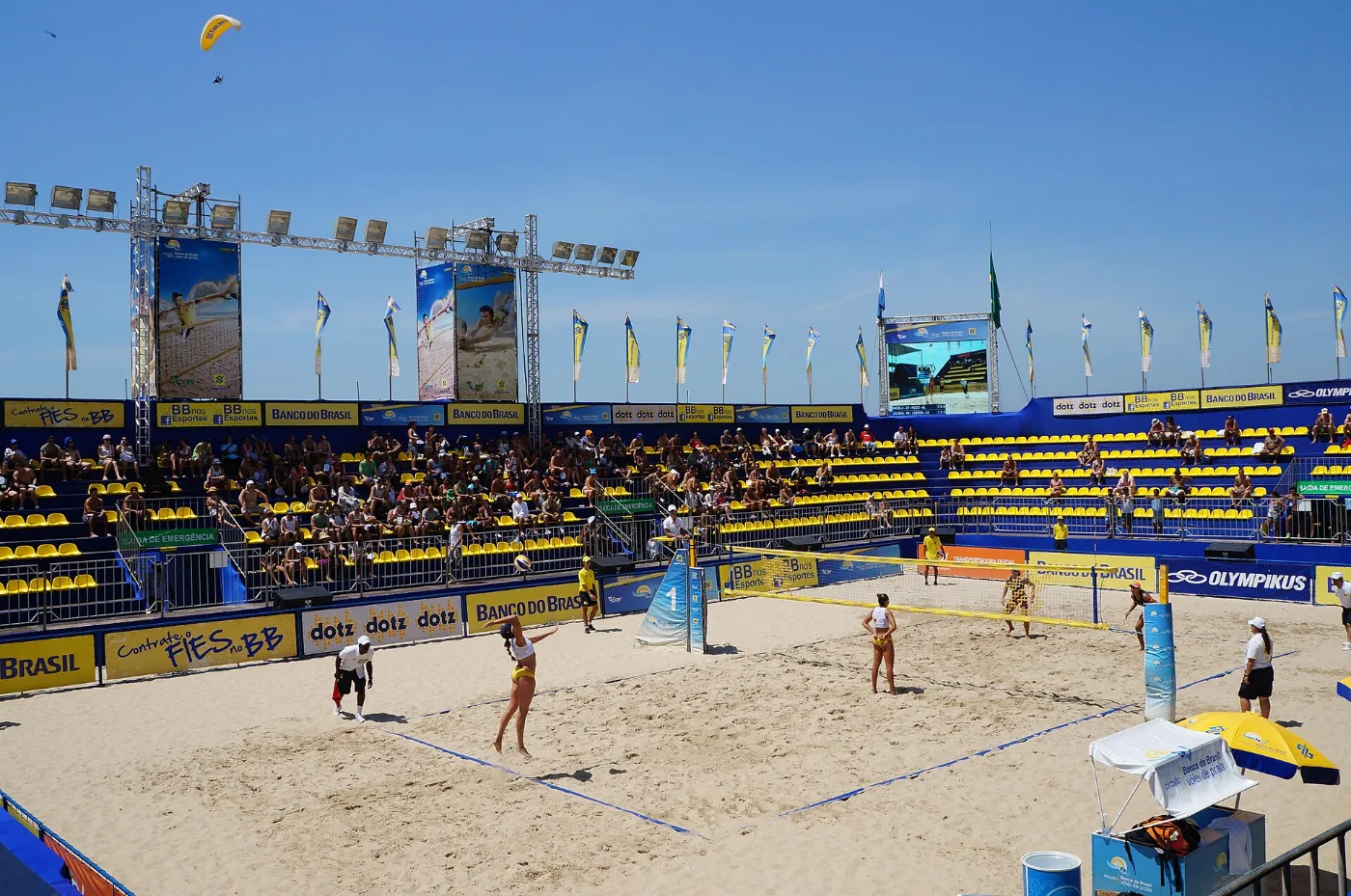
At an official beach volleyball tournament researchers measured how much players sweat and how much they drink. The result explains almost everything that goes wrong on day two: a loss of around two litres per hour, a voluntary intake of around one. Half is missing – and nobody notices as long as they do not measure.
Why one litre is not enough
The body does not ask for water when it needs it but when it is already short. Thirst is therefore not a good controller once you are in the sand for more than an hour.
The threshold where it becomes measurable is two per cent of body weight. At 75 kilos that is one and a half litres – reachable after a good hour of play. Beyond that point reaction time, jumping power and decision quality demonstrably decline. Exactly the combination you need in the third set.
One finding is worth noting: in the study the amount of sweat correlated not with temperature but with humidity. A muggy day at 24 degrees costs you more fluid than a dry one at 30.
A drinking plan you can actually follow
Before: half a litre in the hour before playing. Not in one go but in two portions – what you down in five minutes goes straight through.
During: around 200 millilitres every 15 to 20 minutes. That is two or three good mouthfuls at every change of ends. The switch every seven points is the perfect metronome for it – you do not have to remember anything, just keep the bottle by the post.
After: about one and a half litres for every kilo lost, spread over the following hours.
The only test that really works: weigh yourself before and after a long playing day, without clothes. Every kilo of difference is a litre that was missing. Do it once and you will know for good how much you really need.
When water is no longer enough
Up to about an hour, water is fine. Beyond that you lose relevant amounts of sodium with your sweat, and plain water then dilutes what is left. Many know the result from a camp Sunday: you drink a lot and still feel flat, plus headache and calf cramps.
From two hours of play onwards, add some salt. A good pinch in the bottle is enough, an electrolyte mix is more convenient. Apple juice diluted one to two works too – it adds carbohydrates you will notice after the second match.
What does not work: cola as a substitute, because it contains hardly any sodium. And the post-tournament beer delays rehydration rather than supporting it – not forbidden, just not as the first drink.
How much exactly? The rule of thumb
Besides the scales there is a second method that needs no measuring: one millilitre of fluid per kilocalorie burned.
An 80-kilo player burns roughly 600 kilocalories per hour at a moderate pace. On top of normal daily needs that means 600 millilitres per hour – around 1.2 litres for a typical two-hour session. For women the figure is about ten per cent lower. Sex, weight, fitness and air temperature shift the result considerably.

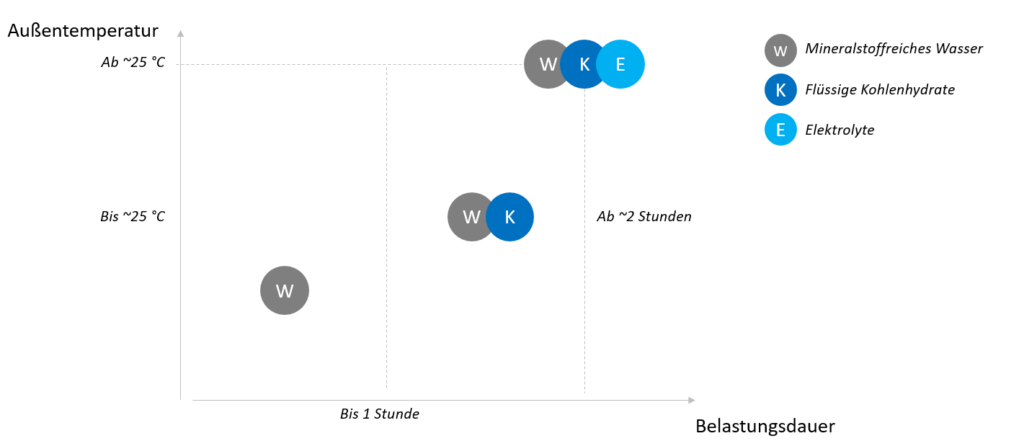
What belongs in the bottle
Mineral-rich water as the base. Not every mineral water deserves the name. Gerolsteiner states 2,479 milligrams of minerals per litre, including 348 mg calcium, 108 mg magnesium and 118 mg sodium – the Medium variety, not Naturell. Apollinaris works too. Checking the label pays off: many cheap waters have single-digit sodium, and sodium is exactly what matters when you sweat.
Liquid carbohydrates in heat and long sessions. Hardly anyone needs powders and gels – ordinary apple juice diluted with water does the same job. It is quickly available because it does not need digesting first. As intensity rises you can start on water and switch to the diluted juice later. Isotonic drinks from any supermarket work as well.
The tournament tip almost nobody knows: front-loading. Minerals do not work instantly. Taking them when the cramp arrives is too late. Take them before competition, not during – and on a tournament day start with an isotonic drink rather than plain water.
One warning about liquid carbohydrates: they raise blood sugar quickly. For casual play you do not need them, water is enough. They only make sense for intense or long sessions.
Electrolytes: when they are worth it
Electrolytes are minerals that control many functions in the body. Through sweat you mainly lose sodium, potassium and magnesium. If they are not replaced, performance drops and cramps become more likely.
Our electrolyte recommendations
Two products we have had good experiences with ourselves. The links go to Amazon – buying through them supports this site at no extra cost to you.
Dextro Energy Zero – cheap and effective
Orthomol Sport – a good blend
Sun: the sand radiates back
This is the part almost everybody underestimates. Light sand reflects roughly 10 to 25 per cent of UV radiation – so your skin is hit from below as well. That is why places burn in the sand that otherwise never see sun: under the chin, the sides of the nose, the inside of the upper arms.
And it is why a parasol only protects you halfway. In the shade you are safe from direct radiation but not from reflected radiation.
The most common misconception about reapplying
Almost everyone believes reapplying extends the protection. It does not. Reapplying maintains the protection lost through sweating and towelling – it does not extend the maximum protection time of your sun protection factor.
The arithmetic behind it: your own protection time multiplied by the factor gives the maximum. With fair skin and around ten minutes of natural protection, SPF 30 gets you to about five hours – for the whole day, no matter how often you reapply. Anyone playing a tournament from nine to five will not get through on cream alone.
What actually helps
Factor 30 or higher, water resistant, applied 20 to 30 minutes before the first contact with the ball. Applied right before playing it is not fully effective yet and is gone after the first dig in the sand.
Reapply after every heavy sweat and after towelling, at the latest after two hours. Generously – most people use less than half the amount the protection factor was tested with.
A UV shirt beats any cream. For long tournament days textile is the only protection that does not fade. Add a cap and sunglasses – the eyes carry a double load in sand.
Heat: the three warning signs
A heat problem announces itself before it becomes dangerous. Three signals are worth knowing:
Goosebumps or shivering in the heat. It sounds harmless but is the clearest warning of all – the body is no longer regulating heat release properly.
Headache and nausea. At this point at the latest: out of the sun, sit down, drink.
You suddenly stop sweating although it is hot. That is an emergency, not a sign of fitness.
Where to find shade in Berlin is listed in our overview of outdoor courts. Above 30 degrees beach volleyball remains playable – but with shorter sets, longer breaks and a shaded spot between matches.
Common questions
How much should I bring to a tournament day?
For a tournament day with four or five matches: three to four litres. That sounds like a lot and is rather tight at two litres lost per hour of play. Freeze two bottles and let them thaw slowly – then you still have something cold in the afternoon.
How do I notice that I have drunk too little?
Most reliably from urine colour: pale like straw is good, dark yellow means catching up is needed. During play the first signs are less obvious – heavy legs, slight pressure in the head and mistakes you do not normally make.
Is sunscreen enough if I only play for two hours?
Yes, if you apply it early and generously and top it up after the first sweat. Beyond three hours in one go you reach the limit of the protection factor with cream alone – then you need textile as well.
Are salt tablets useful?
Rarely for recreational players. Up to two hours water is enough; after that a pinch of salt in your drink or an electrolyte mix. Salt tablets without sufficient fluid actually make things worse, because they bind additional water.
What about cramps?
Calf cramps in the sand usually have two causes at once: missing sodium and calf muscles unused to the load. Short term, drinking with salt and stretching helps; long term, targeted preparation – more on that in Fit for your beach camp in four weeks.